


Roots


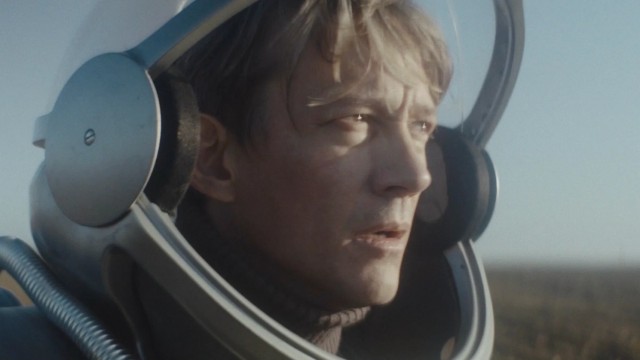


More than a century ago, when speaking of cinema as the “most important of arts”, the leader of the world proletariat had in mind only the politics of his party. However, it was precisely those three words – “the most important of arts”, that defined the existence of cinematography throughout the 20th century. In the USSR in the 1920s; in the USA in the 1930s; in Italy in the late 1940s. Ten years later it came to France, Japan, and Poland. Then moved to Hungary, Brazil, Czechoslovakia, Yugoslavia, China, and Iran… The screen art was no doubt the primary one. It brought people together, united them, explained life, inspired, and astonished.
But the 20th century is over. Cinema is no longer a great art. It was in the age of masses, when people went to the halls and together experienced what was shown on the screen. Now when films are watched, at best, on a computer and more often on a cell phone, it somehow seems inappropriate to speak of grandeur. New generations have heard of the golden age of cinema. Some individuals are trying to comprehend, to realize what actually has happened. Why did something that just half a century ago made the entire world cry and laugh turn into a mere computer game that had replaced real passions with artificial ones?
Actually, there’s not much to understand here. Galactic battles of metal pieces against ragged figures look far more dramatic on a small screen than the sufferings of Charlie the Tramp, little Cabiria or the Soviet war boy Ivan. Nevertheless some persistent film directors, trying to restore the former glory of cinema, make this very grandeur the subject of their films. They tell stories about the most unlikely materials from which some of the greatest films of the past have emerged.
“Nouvelle Vague” tells the story of the filming of Godard’s masterpiece “Breathless”. The overlooked St. Petersburg film “The Planet” speaks about making of the 1961 film “Planet of Storms” by the great but, unfortunately, unrecognized director Pavel Klushantsev.
In the program “Roots”, we will host paired screenings. Just like in the old days at MIFF. With one ticket you will have the right to see two films, not separate ones as before, but linked by plot, artistic vision or nostalgia for the great cinematic past.
Sergey Lavrentiev