


Shot set. Not What It Seems





This year "Shot Set" program presents four blocks, each offering a distinct optical perspective. Different lenses, different distances to the subject, different depths of sharpness are united by a single attentive intonation, a shared way of looking deeper. "Russian Island" is not only a geographical toponym but also a state of being: a place that exists between currents, where solid land ends and the voice of water begins. Our block is likewise a space where young authors test themselves by hearing, by rupture, by the first breath. Russian cinema appears here not as a monument, but as a living, breathing fabric: the voices of film school students and graduates who are not yet trapped by conventional genres, ranging from light melodramas looking like the first snow, and from gentle screen adaptations to philosophical reflections on honor and duty.
"Atlas of First Feelings" features seven points on the map, seven stories that look into the cracks between childhood and the elusive moment of growing up. Here people part without knowing how to explain the reasons; they fall in love with those who look right through them. Somewhere between Argentine tenderness and Spanish presentiment lives the very moment "just before", when every next step could become the first step toward oneself.
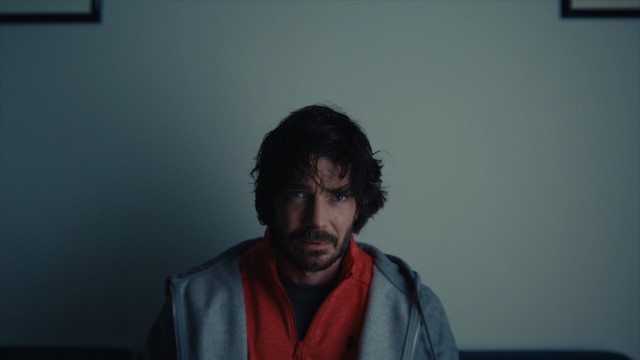
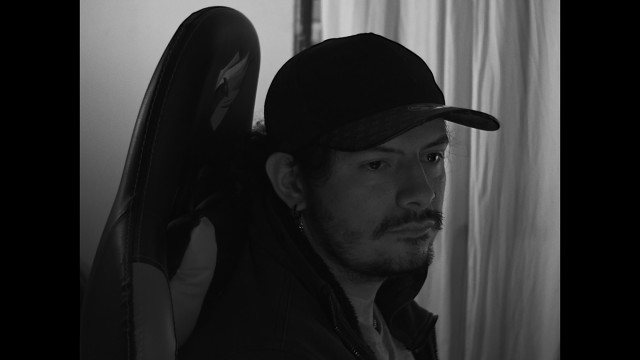
"Not What It Seems" is a program about the abyss between the face and the reverse side, where films put forward a common question: what remains behind the scenes which we consider the truth? Mexico, Colombia, Spain, India, Russia – each story looks for its own crack in the facade of reality. "Wound" speaks of the body as a cage; "The Creature" takes us into the depths of the forest, where prayers fall apart; and "Healthy" listens attentively to itself up to paranoia. These films are connected not by characters, countries or mood, but by honesty. Here cinema begins where visibility ends.
"From the Celestial Empire" is a glance from the land where fog paints mountains and a single hieroglyph holds an entire universe in itself. Chinese short films do not seek to speak loudly. The camera stops on what Western editing would surely cut without a second thought – on the pause between words, on a gaze that lasts a little bit longer than necessary, on a gesture that means more than a phrase. The Celestial Empire teaches us to listen to the silence.
It is from such moments that "Shot Set" is arranged, when the screen ceases to be simply a glass and changes to a window.
Marina Ozerenchuk